Bee, Wasp, and Hornet Activity Is Up in the Charlotte Area. What to Do Now
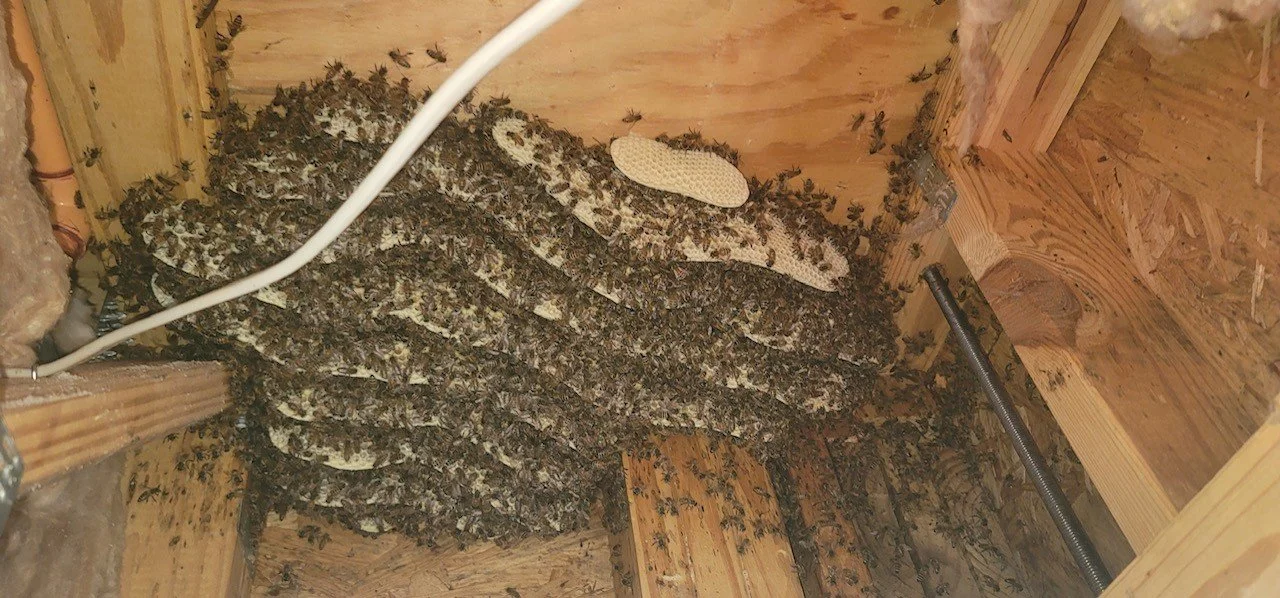
Bee, wasp, and hornet activity is rising across the Charlotte metro right now. That usually means more insects scouting rooflines, building small starter nests near patios and entryways, and becoming more defensive if a nest is disturbed.
Some stinging insect activity is normal. The issue starts when insects repeatedly return to the same spot, or when a nest forms near places your family uses every day.
What You Are Likely Noticing
If you are seeing more stinging insects than usual, it typically looks like one of these patterns:
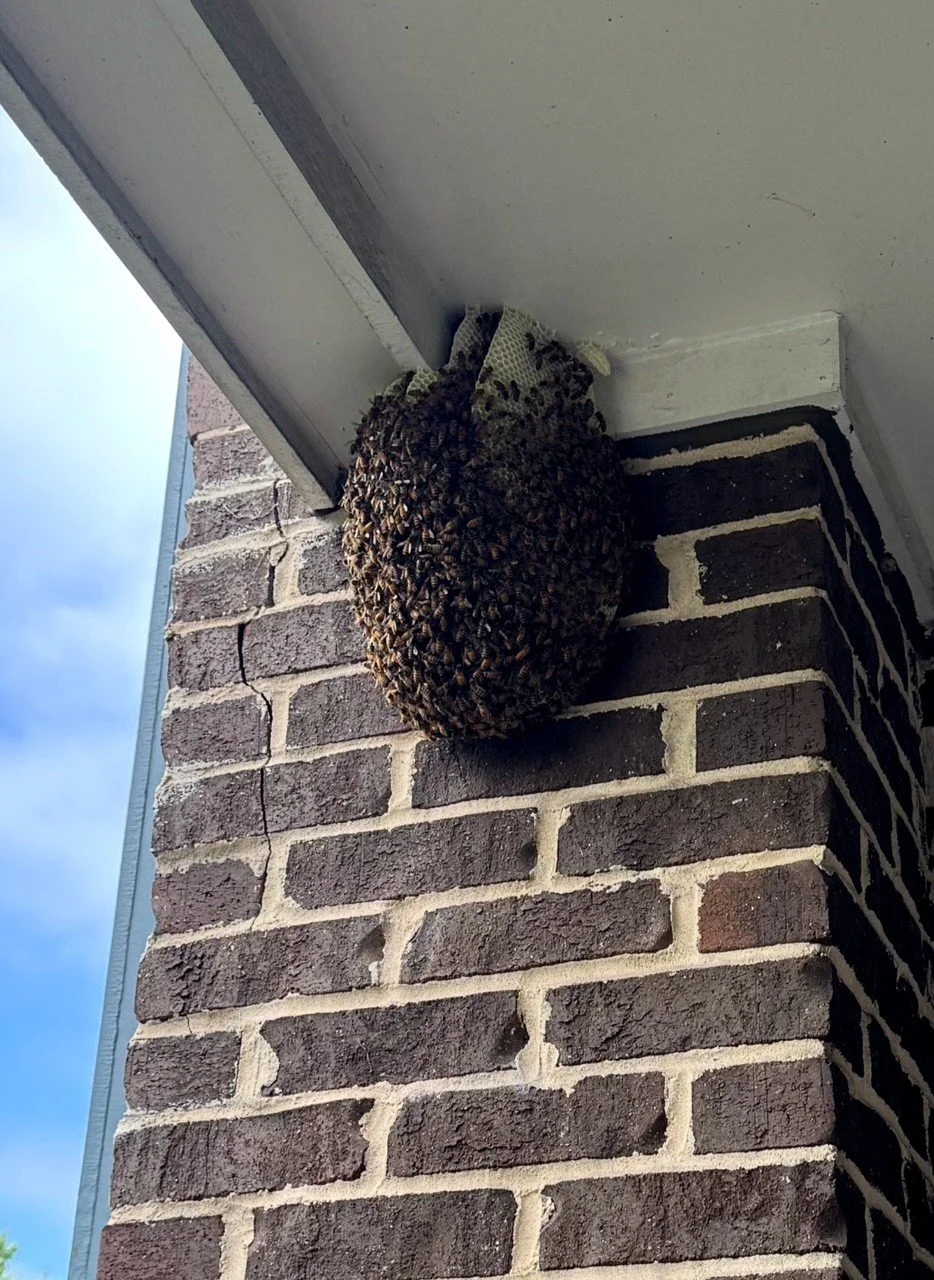
Insects flying to and from the same corner of your home
Common spots include soffits, gutters, attic vents, and siding seams.
Increased activity near decks, fences, grills, and outdoor seating
Many nests start in sheltered areas around high traffic spaces.
Aggressive behavior near shrubs, tree lines, or sheds
Hornets and some wasps can defend territory aggressively, and nests can be hidden.
Bee vs Wasp vs Hornet. Why It Matters
Correct identification matters because safe treatment is different.
Bees are important pollinators and are usually less aggressive unless the colony is disturbed. If you suspect honey bees, the best option is an inspection so the right removal plan can be chosen.
Wasps often build nests on structures and can become territorial quickly.
Hornets can be highly defensive and nests may be larger than they appear.
If you are not sure what you are dealing with, do not guess.
What Not To Do
These are the most common mistakes we see:
Do not spray a nest with random store products.
This often agitates the colony and does not fully solve the problem.
Do not knock a nest down.
That can trigger a stinging event immediately.
Do not seal an entry point while insects are active.
You can trap insects inside a wall or attic and create a bigger issue.
When To Call A Professional
Call for help if any of these apply:
The nest is near a doorway, garage, patio, deck, play area, or pool.
You see repeated traffic into a vent, soffit gap, hole in siding, or an opening in brick.
Anyone in the home has a history of allergic reactions.
The nest is high up or difficult to access safely.
How Action Pest Can Help
A proper stinging insect service is more than spraying and leaving. In most cases, we:
Identify the species and locate the nest site
Treat the nest safely and reduce the immediate risk
Provide guidance to help prevent repeat nesting around common areas
If you want to get ahead of peak season, the best time to act is when activity starts increasing, before nests get larger and more defensive.
Need help with bees, wasps, or hornets?
If you are seeing repeated stinging insect activity around your home, we can help identify the source and remove the problem safely.
FAQ
Are stinging insects more active right now?
Yes. Warmer temperatures and increased food sources typically drive higher activity and nest formation.
Can I remove a nest myself?
Even small nests can be risky and stinging insects can become defensive quickly, especially if the nest is disturbed. For safety, we recommend professional inspection and removal, particularly if the nest is near people, pets, or entryways.
Do you handle wasps and hornets too?
Yes. Treatment depends on the insect type, nest location, and safety risks.