
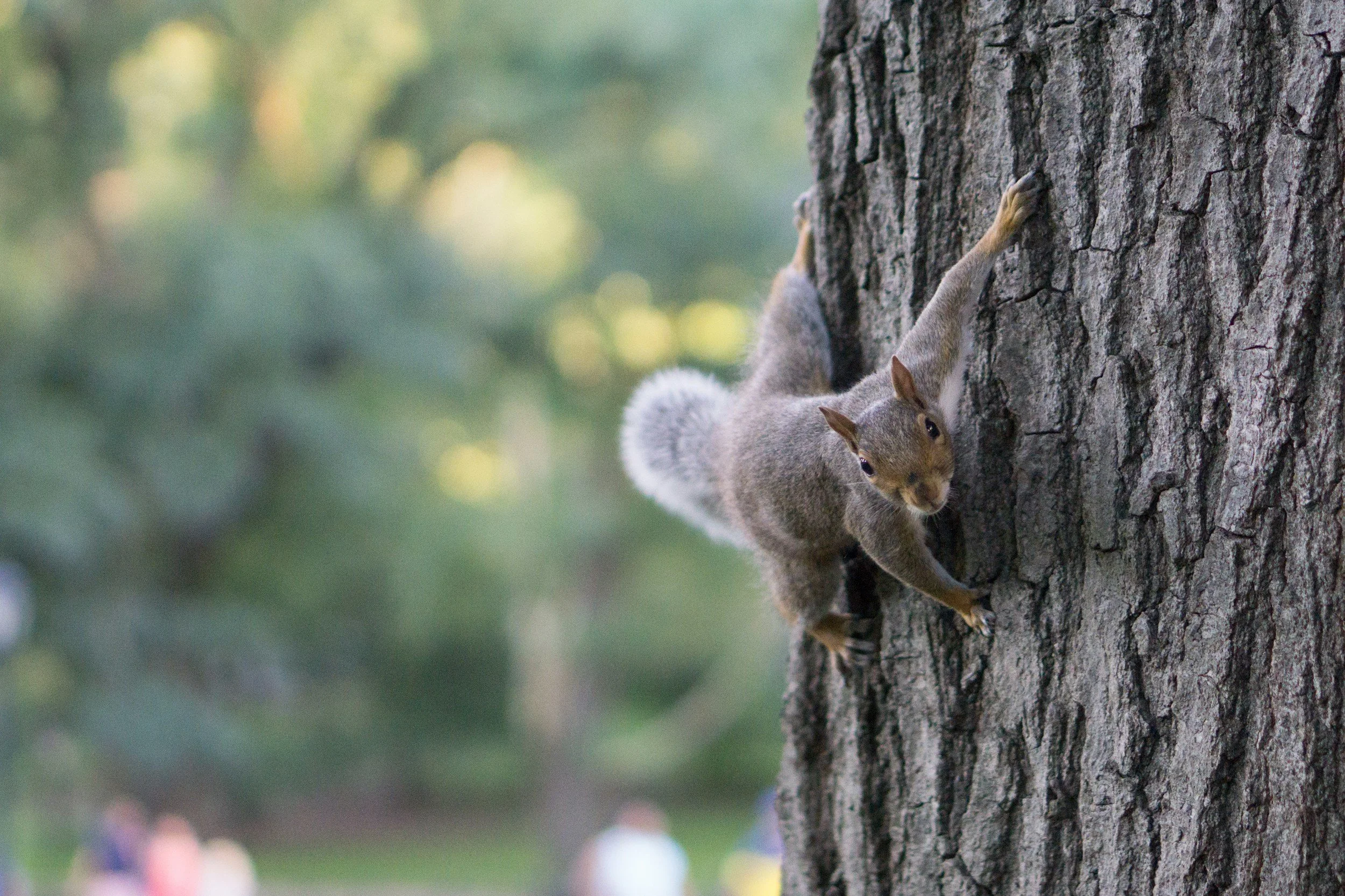
Squirrel Removal in Charlotte, NC
Hearing scratching or thumping coming from the attic, especially early in the morning or around sunset? You may have squirrels making themselves at home in your home.
Action Pest Exterminating has been helping families in the Charlotte area solve pest and wildlife problems since 1983. With a licensed wildlife technician on staff, we provide humane squirrel removal and long-term exclusion so they stay out for good.
From attics to crawl spaces, we have you covered.

Signs You May Have Squirrels In Your Home
Squirrels are active during the day, so their activity is often easier to notice than other wildlife. Common signs include:
Scratching, scurrying, or rolling noises in the attic or ceiling, especially at dawn and dusk
Sounds of chewing or gnawing on wood, beams, or wiring
Droppings in the attic, garage, or along the top of exterior walls
Insulation that looks torn up, matted down, or tunneled through
Visible entry points, such as holes near rooflines, soffits, vents, or eaves
Squirrels running along your roofline or disappearing under shingles or into vents
If you are hearing noises but are not sure what animal it is, our wildlife technician will inspect and identify whether it is squirrels, rodents, raccoons, bats, or another animal.
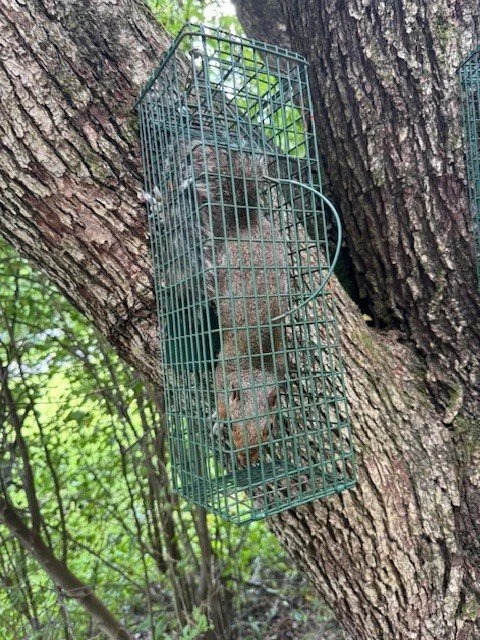
Why Squirrels In Your Attic Are A Serious Problem
Squirrels may look harmless in the yard, but inside your home they can cause costly and dangerous damage:
Chewed electrical wiring that can create a fire hazard
Damaged insulation that reduces energy efficiency and raises utility bills
Contaminated areas with droppings and urine, which can create odors and health concerns
Chewed wood, roofing, and fascia that weaken structural components
Noises and stress for your family and pets
The longer squirrels stay, the more damage they can cause. Early inspection and removal are the key to preventing expensive repairs.
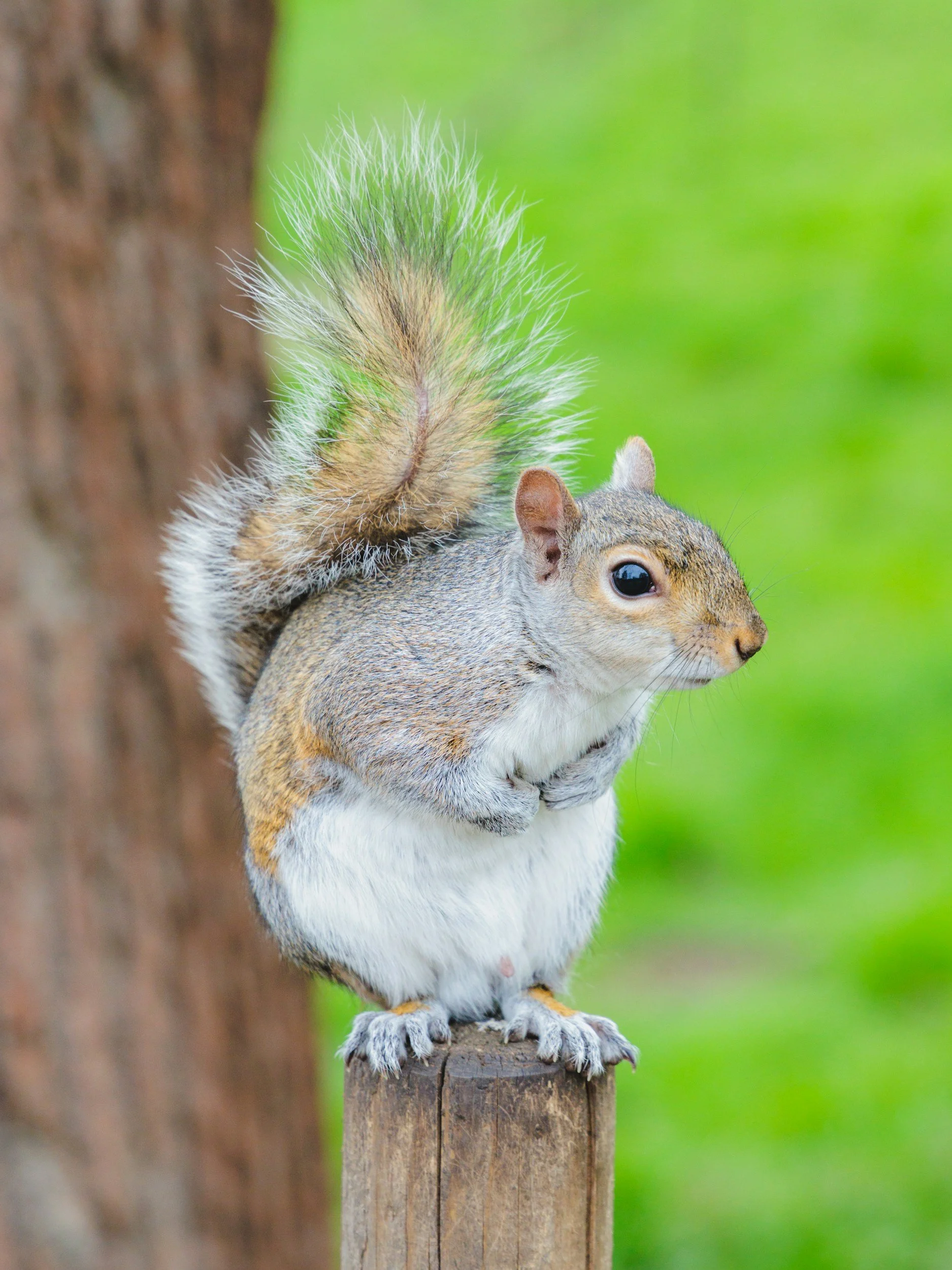
Our Squirrel Removal Process
Action Pest focuses on humane, effective, and long-term solutions for squirrel problems.
1. Detailed Inspection
Our licensed wildlife technician performs a thorough inspection of:
Attic, crawl space, and any accessible voids
Roofline, soffits, fascia, vents, and chimneys
Surrounding trees, wires, and structures that may provide access
We identify the species (typically gray squirrels in our region), the number of animals, nesting sites, and all active entry points.
2. Humane Trapping and Removal
Based on our findings, we design a removal plan that may include:
Humane live trapping in key travel areas
One-way exclusion devices installed at main entry points so squirrels can exit but not re-enter
Timed removal strategies that account for nesting seasons and young squirrels
Our goal is to remove squirrels safely and humanely while respecting local regulations and best practices.
3. Sealing Entry Points (Exclusion Work)
Once the squirrels are out, we seal and reinforce potential openings so they cannot return. This may include:
Repairing chewed or damaged fascia and soffits
Screening or covering vents, gaps, and construction voids
Sealing holes around utility penetrations and roof intersections
Exclusion is a critical step in long-term squirrel control and is part of why professional wildlife removal is more effective than DIY methods.
4. Clean-Up and Sanitation Options
Where needed, we can:
Remove contaminated insulation or nesting materials
Treat affected areas to reduce odors and bacteria
Recommend repairs or additional clean-up for heavily damaged spaces
5. Ongoing Protection
Squirrel issues often tie into broader pest and wildlife pressures around a home. If needed, we can recommend a customized follow-up or prevention plan designed around your property.
Squirrel Prevention Tips For Homeowners
While some situations require professional help, you can reduce your risk of squirrel issues with a few steps:
Trim tree branches back from the roof to reduce easy access routes
Avoid feeding birds or wildlife near your home, which can attract squirrels closer
Keep gutters clear to minimize hidden gaps and moisture damage
Inspect your attic a few times a year for new droppings, disturbed insulation, or light shining through gaps
Call a professional quickly if you hear noises or notice new damage
If you are unsure what you are seeing or hearing, Action Pest can diagnose the problem and offer clear next steps.
Common Squirrel Entry Points We Check
During your inspection, we pay close attention to common squirrel access areas, including:
Roof edges and gaps where different rooflines meet
Damaged or unsecured soffits and fascia boards
Gable vents and attic vents without proper screening
Chimneys without caps or with damaged caps
Areas where tree branches overhang or touch the roof
Gaps around utility lines and conduits
By identifying and sealing these access points, we help prevent repeat squirrel problems and reduce the chance of other wildlife entering as well.
How do I know if it is squirrels and not another animal?
Squirrels are most active during the early morning and late afternoon. If you mainly hear scratching and running during those times, especially above ceilings or in the attic, squirrels are a strong possibility. Raccoons tend to be louder and more active at night, while mice and rats often make lighter scratching or scurrying sounds. Our wildlife technician will inspect to confirm what animal is present and choose the right removal method.
Do you remove squirrels humanely?
Yes. Humane practices are a priority for our wildlife services. We use live traps and one-way exclusion devices whenever possible, and we follow all state regulations for handling and relocating wildlife.
Will you seal up the entry points after removing squirrels?
Yes. Exclusion work is a key part of our squirrel removal process. After the squirrels are out, we identify and seal active entry points and recommend any necessary repairs so that new squirrels cannot move in.
Squirrel Removal
FAQs
How long does squirrel removal usually take?
Many squirrel issues can be resolved within several days, depending on how many animals are present and how established they are. We will explain what to expect after your inspection and keep you updated as we remove the animals and complete exclusion work.
Can squirrels create a fire hazard?
Yes. One of the biggest risks from squirrels in an attic is chewed electrical wiring, which can increase the chance of shorts or sparks. This is one of the reasons it is important to address squirrel problems quickly and professionally.
Do you offer warranties for squirrel removal?
Many wildlife services include some form of warranty or re-check on the sealed entry points, depending on the conditions and repairs needed. Your technician will explain any applicable warranty or follow-up details for your specific situation.
Ready to stop the noises in your attic and protect your home from squirrel damage?
Request an Inspection • Get a Quote • Or call 704-563-1941