
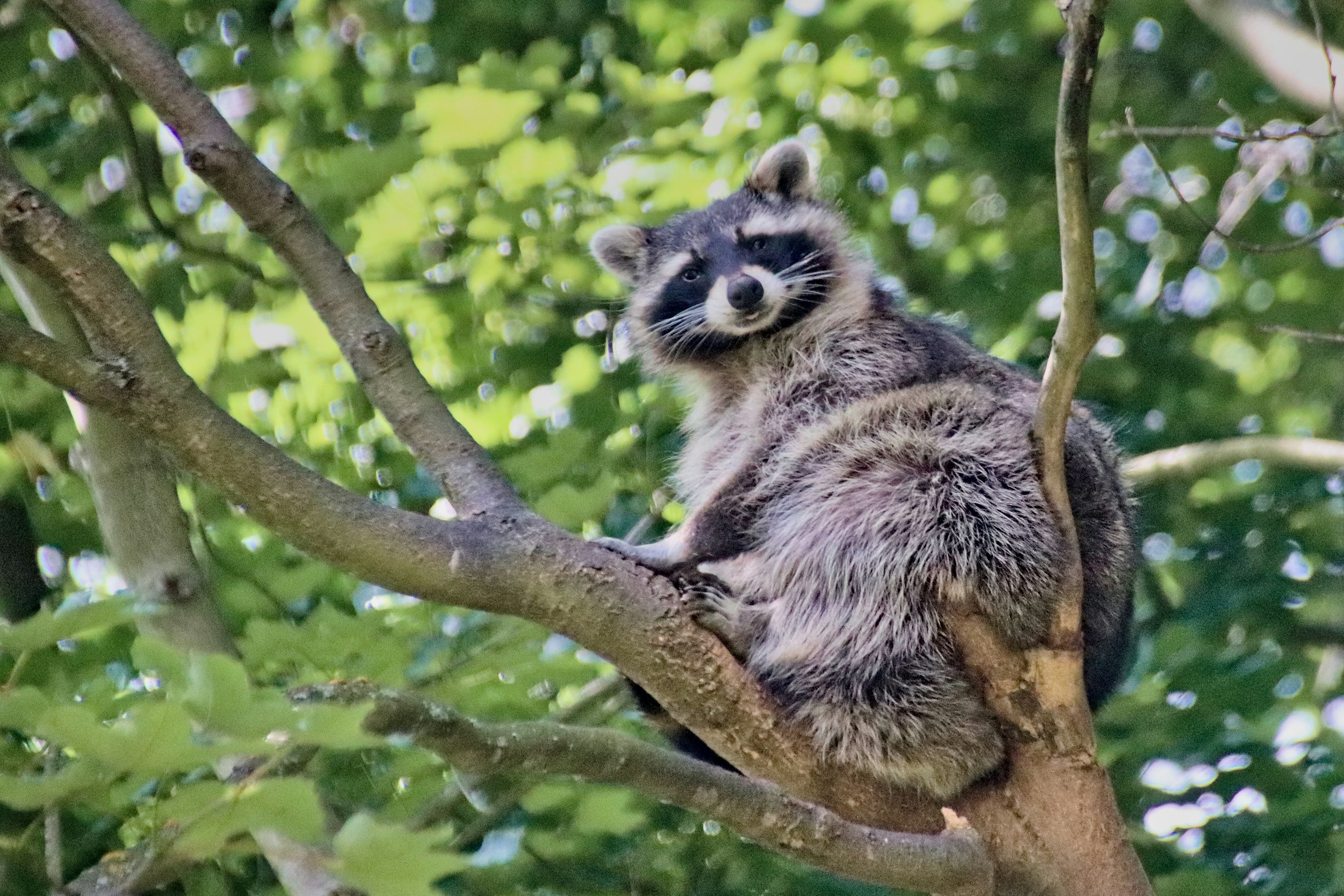
Raccoon Removal in Charlotte NC
Humane wildlife control for your home and property
Raccoons may look cute, but inside your attic, crawl space, or walls they can cause serious damage, health risks, and sleepless nights. If you are hearing scratching, thumping, or chattering overhead, it may be time to call in a wildlife professional.
Action Pest Exterminating provides humane raccoon removal for homes across the Charlotte region, backed by three generations of local pest and wildlife expertise. Our licensed wildlife technician inspects your property, safely removes the animals, and helps secure your home so they do not come back.
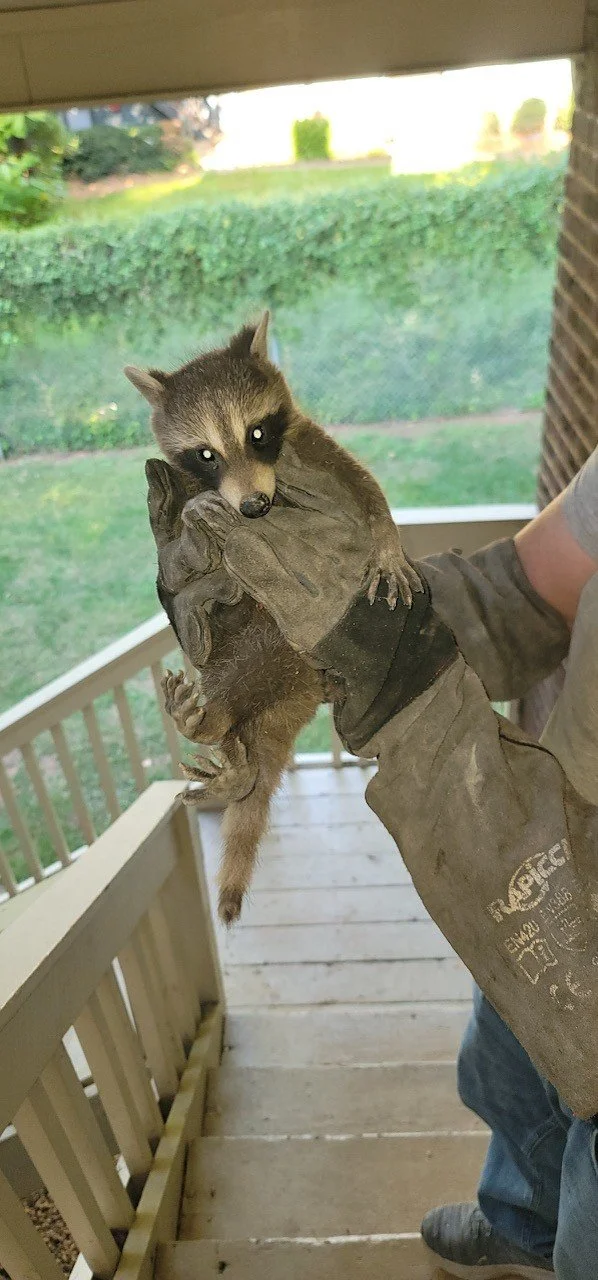
Signs You May Have Raccoons
You may not see a raccoon directly, but there are clear warning signs that one has moved in:
Loud thumping or dragging noises, often at night
Chattering, growling, or high pitched cries, especially during baby season
Scratching sounds in the attic, ceiling, or walls
Insulation pulled down or moved around in the attic
Torn roof vents, chewed soffits, or damaged fascia boards
Strong urine or musky odors in certain rooms
Trash cans frequently knocked over or torn open
Visible raccoon droppings around entry points or on flat roof sections
If you notice any of these signs, it is important to act quickly. Raccoon damage and contamination can escalate fast, especially if a mother raccoon is raising young inside the home.
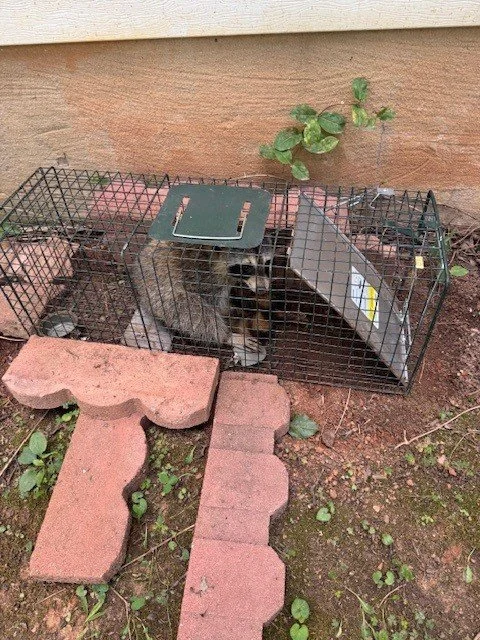
Why Raccoons Are A Serious Problem
Raccoons are strong, intelligent animals that can do a surprising amount of damage in a short period of time. Common issues include:
Structural damage
Raccoons rip open roof lines, vents, and soffits to access attics. Inside, they crush insulation, tear vapor barriers, and may damage ductwork or wiring.
Health and sanitation concerns
Raccoon droppings and urine can contaminate insulation and surfaces, creating odor and potential health risks. Raccoons may carry parasites and diseases such as raccoon roundworm.
Noise and stress
Heavy footsteps and vocalizations at night can make it difficult for your family to sleep or feel comfortable in your own home.
Repeated break ins
Once raccoons find a safe nesting area, they often return year after year if entry points are not properly sealed.
Professional removal and exclusion help protect both your home and your family.
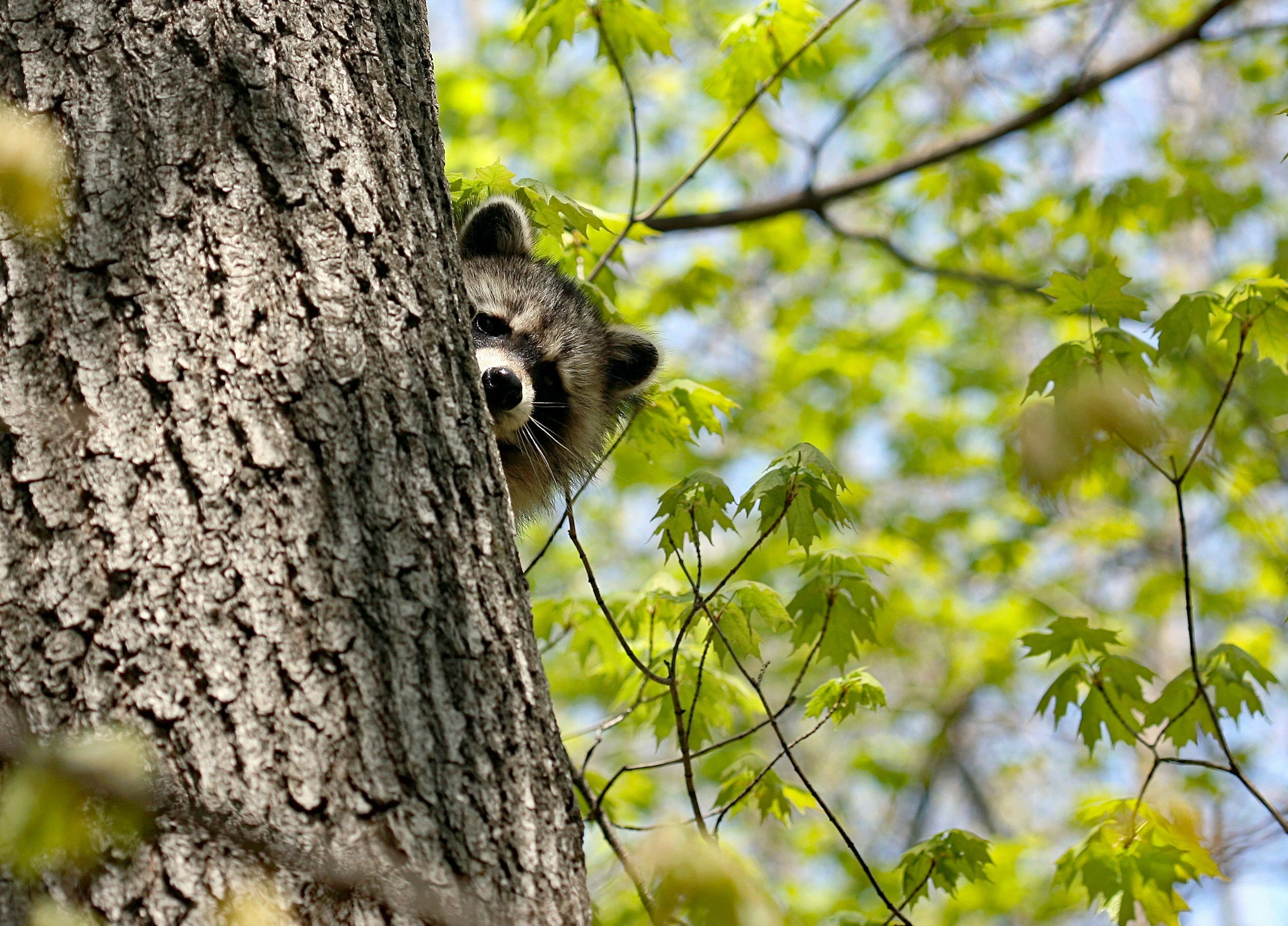
Our Raccoon Removal Process
At Action Pest, we follow a step by step process to safely and responsibly remove raccoons and secure your home.
1. Thorough Inspection
Our licensed wildlife technician will:
Inspect the exterior of your home to locate entry points and high risk areas
Check the attic, crawl space, or other suspected nesting areas
Identify damage, droppings, and any signs of a nesting female or young
Once the inspection is complete, we explain our findings and recommend a clear plan of action.
2. Humane Trapping and Removal
We prioritize humane methods that comply with all state regulations and best practices.
Targeted traps are placed in strategic locations where raccoons are active
Traps are checked regularly to reduce stress on the animals
Captured raccoons are handled safely by our wildlife technician
Removal and relocation are performed in accordance with local laws whenever allowed
This approach helps solve the problem effectively while treating wildlife responsibly.
3. Exclusion and Entry Point Sealing
Removing raccoons is only half the job. To prevent them from returning, we focus on exclusion:
Seal and reinforce active entry points
Screen or secure roof vents, gable vents, and other vulnerable openings
Repair or recommend repair of damaged soffits, fascia, and roof edges
Identify landscaping or property features that may make access easier
Our goal is to make your home significantly less attractive and less accessible to raccoons and other wildlife in the future.
4. Clean Up and Odor Reduction
Depending on the severity of the problem, we may provide or recommend:
Spot clean up of droppings in accessible areas
Removal of heavily contaminated insulation or debris by qualified contractors
Odor reduction or disinfecting treatments to help restore indoor comfort
We will always explain what we find and what level of clean up is appropriate for your situation.
Humane Wildlife Control You Can Trust
Action Pest Exterminating has been protecting homes in Charlotte and surrounding communities since 1983. You get:
A licensed wildlife technician who understands raccoon behavior
Humane trapping and relocation whenever possible
Honest evaluations and straightforward recommendations
A local team that stands behind its work
Service that puts your family’s safety first
We do not believe in quick, one size fits all fixes. Every home and every raccoon situation is unique, so we tailor our approach to your property.
When To Call A Professional
You should contact a wildlife specialist if:
Noise in the attic is getting louder or more frequent
You suspect a raccoon has entered the living space
You discover visible damage on your roof, soffits, or vents
You notice strong odors, staining, or droppings in your attic or crawl space
You see raccoons regularly around your home, especially during the day
Raccoons can be unpredictable and may become defensive, especially if they feel cornered or are protecting young. Professional help is the safest option.
Are raccoons dangerous?
Raccoons are generally not aggressive if left alone, but they can become defensive if cornered or if a mother is protecting her young. They can also carry diseases and parasites. For your safety, it is best not to attempt handling raccoons on your own.
Can I trap and move a raccoon myself?
In many areas, there are specific laws and regulations governing the trapping and relocation of wildlife. Improper trapping can injure the animal and create risks for you. Working with a licensed wildlife technician ensures removal is handled legally and humanely.
How long does raccoon removal take?
Timeframes vary based on the number of animals, their activity, and access points. Some situations can be resolved in a few days, while more complex cases may take longer, especially during baby season when young raccoons must be accounted for before sealing the home.
Raccoon Removal
FAQs
Will you remove raccoons from my attic or crawl space?
Yes. We regularly remove raccoons from attics, crawl spaces, garages, sheds, and other structures. Our technician will inspect, confirm the species, and lay out a plan for trapping and exclusion.
Do you repair damage caused by raccoons?
We handle many common exclusion and sealing repairs related to wildlife entry points. For extensive structural repairs or full insulation replacement, we may coordinate with or refer trusted contractors. Our focus is making sure entry points are secured so the problem does not return.
Will raccoons come back after removal?
If entry points are not properly sealed, raccoons or other animals may return to the same vulnerable areas. That is why exclusion is a critical part of our service. Our technician will identify and address the most likely re entry points during the process.
Do you offer other wildlife removal services?
Yes. In addition to raccoons, we humanely remove squirrels, bats, birds, opossums, groundhogs, snakes, and more. We have a licensed wildlife technician on staff to address a wide range of wildlife issues around your home.
Schedule Raccoon Removal Today
If you suspect raccoons are in your attic, crawl space, or walls, do not wait for the problem to get worse.
Request an Inspection • Get a Quote • Or call 704-563-1941